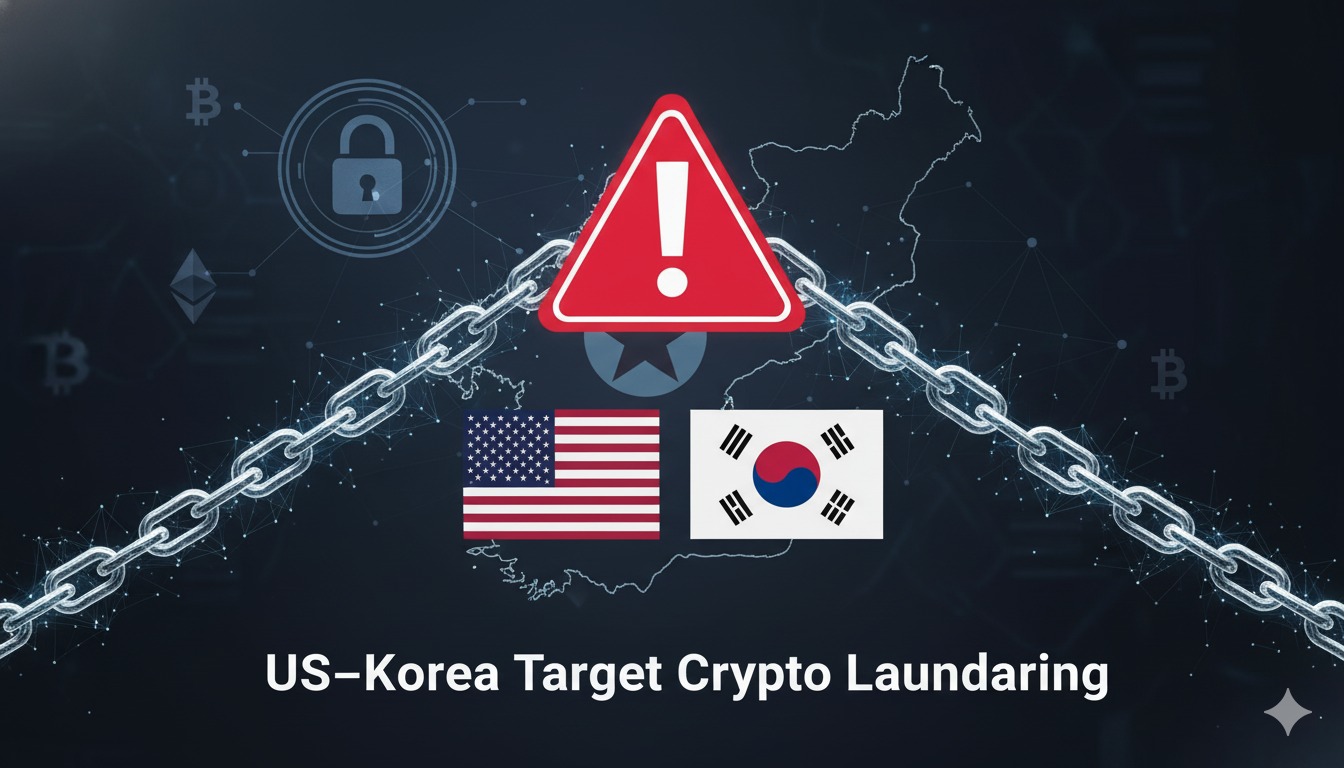
Following new US sanctions on North Korean crypto laundering, South Korea expresses flexibility to review its sanctions framework, emphasizing coordinated efforts against Pyongyang’s illicit digital operations that fund nuclear and missile development.
Following a fresh wave of U.S. sanctions targeting North Korea’s illicit cryptocurrency activities, South Korea has indicated it may reconsider its own sanctions framework.
This move comes amid heightened concerns over Pyongyang’s use of cyber theft and digital laundering to bankroll its nuclear and missile programs.
Second Vice Foreign Minister Kim Ji-na stated Thursday that Seoul values close coordination with Washington on digital threats and may review sanctions “if they are really needed.”
She highlighted the significance of tackling cryptocurrency theft that undermines regional security and digital ecosystems. “In cases of cryptocurrency theft by Pyongyang, coordination between South Korea and the U.S. is important,” Kim noted during a Yonhap News TV interview.
The U.S. announced sanctions Tuesday against eight North Korean individuals and two entities involved in laundering stolen crypto funds.
U.S. Treasury Targets DPRK’s Crypto Laundering Web Feeding Weapons Programs
The U.S. Department of the Treasury’s Office of Foreign Assets Control (OFAC) outlined the latest round of sanctions against North Korean operatives laundering cryptocurrency through cybercrime and fraudulent IT worker schemes.
These actions freeze assets and restrict transactions involving eight individuals—including key bankers Jang Kuk Chol and Ho Jong Son—and two entities such as Korea Mangyongdae Computer Technology Company (KMCTC) and Ryujong Credit Bank.
Treasury Under Secretary John K. Hurley elaborated: “North Korean state-sponsored hackers steal and launder money to fund the regime’s nuclear weapons program.”
The sanctions reflect years of DPRK cyber-enabled financial crimes involving sophisticated malware, social engineering, and front companies operating in China and Russia.
Over three years, North Korean cybercriminals have stolen over $3 billion, mostly in cryptocurrency, financing weapons of mass destruction (WMD) efforts.
The Treasury highlighted DPRK IT workers abroad who mask their identities to evade sanctions and facilitate illicit earnings.
KMCTC reportedly runs delegations in China and employs Chinese nationals as proxies for laundering.
Sanctioned bankers have managed millions in stolen funds linked to ransomware attacks and IT worker fraud.
South Korea’s Open Door to Sanctions Adaptation
Kim Ji-na remarked that Seoul’s approach to sanctioning North Korea remains dynamic and contingent on the evolving landscape.
She stressed that South Korea has actively worked with the U.S. to curb illegal activities but is ready to “consider reviewing sanctions as a measure if really needed.”
She emphasized ongoing negotiations to finalize a joint fact sheet stemming from the recent summit between South Korean President Lee Jae Myung and former U.S. President Donald Trump.
The announcement follows an escalating global effort to counter North Korea’s cyber and financial schemes supporting its weapons programs.
Pyongyang’s currency theft, laundered through intricate international networks, poses significant threats to both national and global digital security.
Coordination between Seoul and Washington remains a cornerstone in this campaign.
This development illustrates South Korea’s strategic consideration to adapt its sanctions policy in harmony with U.S. measures against North Korea’s cyber-enabled funding operations.
Given the scale of DPRK’s illicit crypto theft and laundering, continued scrutiny and international cooperation remain critical.
Key Topics
Crypto New Live
admin@cryptonewslive.org
South Korea Weighs Sanctions Review Amid US Crackdown on N.K
South Korea signals openness to revisit North Korea sanctions after US targets crypto laundering fueling Pyongyang's weapons programs.