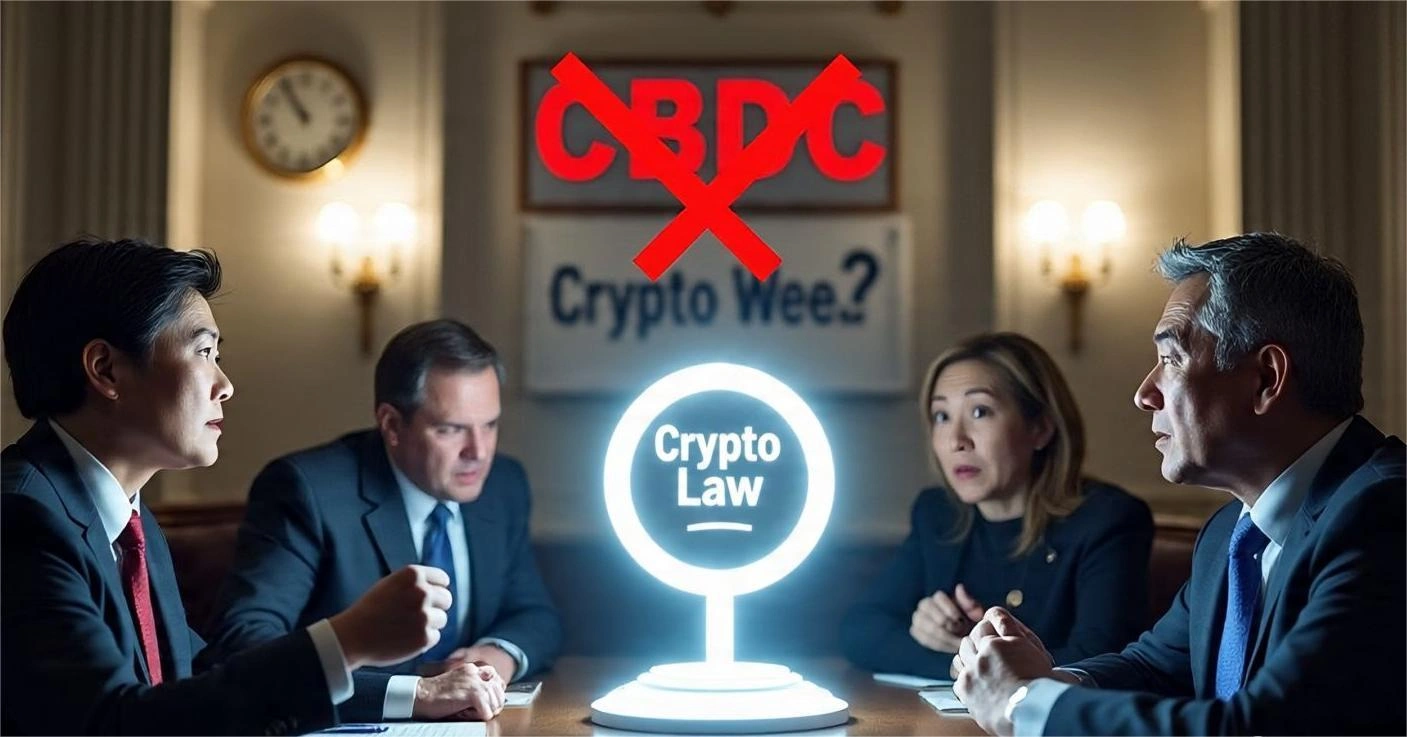
Landmark crypto bills targeting stablecoins and CBDC restrictions face record delays in the US House, with the digital asset sector closely tracking high-stakes negotiations.
House Republicans are making a high-stakes push to advance landmark cryptocurrency legislation, which could reshape the American digital asset landscape. Despite heavy political attention and rapid negotiations, three major crypto bills remain stalled as procedural deadlocks and dissent within party lines prevent a decisive vote.
In one of the most closely watched legislative efforts of 2025, proposals covering stablecoin regulation, digital asset market structure, and a ban on a US central bank digital currency (CBDC) have been repeatedly revived and delayed. Lawmakers have now entered uncharted territory after a record-breaking procedural vote stretched over nine hours—underscoring the deep divides shaping the future of digital finance.
"Crypto Week" Stalls Again: What’s at Stake
Republican leaders attempted to resuscitate the legislative package after an initial failed vote triggered by dissent from within their ranks. The bills, especially the Guiding and Establishing National Innovation for US Stablecoins (GENIUS) Act, faced turbulence partly due to demands for explicit language banning a CBDC. Several conservative members insisted on ironclad privacy protections for Americans before lending support.
A razor-thin 215-211 vote gave lawmakers a path to reconsider the package, but momentum stalled as disagreements lingered over CBDC provisions within the stablecoin bill and negotiations around the broader crypto framework1. Those involved described urgent debates over details typically hashed out behind closed doors.
“Central bank digital currency — we have to put a stake in its heart once and for all,” a member of the House Freedom Caucus remarked, making clear that privacy fears and government oversight remain central concerns2.
House Gridlock Unnerves Crypto Industr
Talks intensified as party leaders worked to bring dissenters back to the negotiating table. Thirteen Republicans initially blocked progress, some seeking safeguards against a CBDC, while others pushed for a more defined market structure. Democrats have largely opposed the bills, citing conflicts of interest and demanding stronger consumer protections.
The deadlock dragged on for hours, with several lawmakers withholding final support until amendments could be agreed upon. At one stage, House Republicans leveraged their position to gain a commitment that anti-CBDC provisions would be attached to sweeping national legislation, signaling an unusual cross-issue bargaining tactic to break the impasse.
Procedural complexities and party dynamics mean the exact path forward for the GENIUS Act, the Digital Asset Market Clarity Act, and the anti-CBDC bill remains uncertain. Insiders say leadership still needs to gather additional votes from moderate Democrats or win back conservative defectors to secure passage before the August recess.
Negotiations unfold amid calls for clarity for both consumers and the crypto sector. Until the House finds consensus, the fate of the first significant US cryptocurrency laws—and the direction of digital assets in the nation—hangs in balance.
Stay updated on the latest cryptocurrency news on our homepage.
Explore more in Latest News Category.
Related reading:
Key Topics
Crypto New Live
admin@cryptonewslive.org
House GOP Crypto Bills Stall Amid Deep Divisions
House Republicans struggle to advance major crypto bills as disputes over stablecoins, market rules, and a CBDC ban stall landmark U.S. digital asset.