The Bangko Sentral ng Pilipinas just drew a hard line on anonymity in crypto. Platforms registered in the Philippines can no longer list or support privacy coins, effective under BSP Memorandum No. 23-2026.
The directive targets what the central bank calls “anonymity-enhancing virtual assets” — tokens built to obscure transaction trails and shield user identities from oversight.
When the Regulator Stops Asking Nicely
BSP Deputy Governor Lyn Javier signed off on the memorandum, framing the rules around consumer protection and financial system integrity. Virtual asset service providers must now build what Javier described as a “robust due diligence and accreditation process” before listing any coin or token on their platforms.
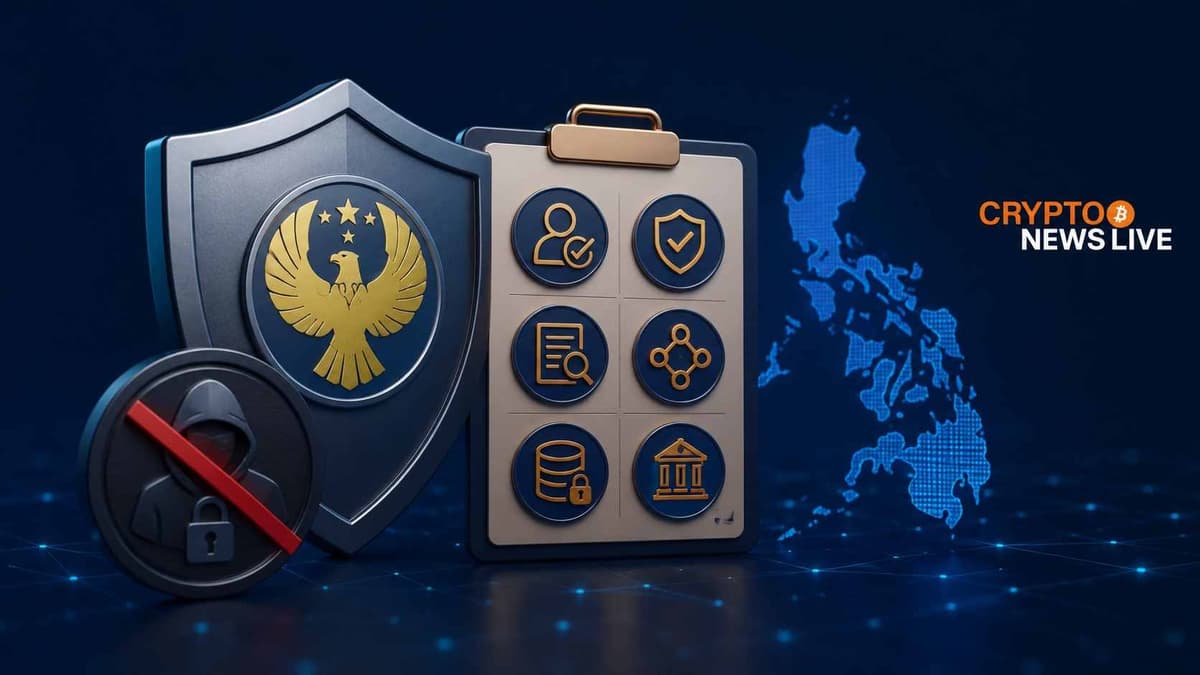
The ban is just one layer of a wider framework. Every token a Filipino exchange carries must pass through six assessment pillars. These cover the issuer’s background and ownership structure, market maturity, intended use cases, transparency and security standards, redemption and reserve adequacy, and legal compliance. Beneficial ownership records and audited financial statements from coin issuers are required under the first pillar.
Market maturity checks require platforms to examine 30-day average trading volumes alongside current or planned market capitalization. The central bank’s logic is that thinly traded tokens carry greater risk of sudden collapse.
Six Pillars and a Long List of Red Lines
The memorandum sets out specific conditions that force immediate action. If a coin loses liquidity support, if its issuer goes insolvent, or if the asset gets flagged in a scam or regulatory action elsewhere, the exchange cannot wait. Per the BSP guidelines, platforms must “either suspend the offering or immediately proceed with the delisting of a specific token or coin to safeguard customers from further asset losses.”
Cybersecurity vulnerabilities are also listed as a hard trigger. Any “material security threat to the coin or token’s cybersecurity infrastructure” mandates removal. Abnormal price movements or suspected market abuse fall under the same category.
For Filipino retail traders on platforms like Coins.ph or PDAX, this introduces real exposure to sudden delistings with little warning. A coin that meets listing criteria today may not survive the next quarterly compliance review.
Continuous Monitoring, Not a One-Time Check
The BSP made it clear that vetting a token once at listing is not enough. The memorandum requires VASPs to conduct ongoing monitoring against the same criteria used during initial listing. Exchanges must set internal deviation thresholds, and breaching those thresholds automatically kicks off a review process. A sustained drop in trading volume, a fall in price beyond defined limits, or shifting regulatory status in another jurisdiction could all qualify.
Whitepapers must be kept publicly accessible, including disclosures on tokenomics, supported blockchains, and risk factors spanning money laundering and governance concerns.
The Philippines has already kept a freeze on new VASP licenses since 2022, extended again in August 2025. This memorandum stacks further on top of that posture. The BSP’s direction has been consistent — tighter screening, fewer anonymity tools, and stricter accountability for platforms still operating under existing licenses.
Privacy coins had never been formally welcomed in the Philippine system. The explicit ban in Memorandum No. 23-2026 converts what was regulatory ambiguity into a firm prohibition. The question now is which tokens currently sitting on Filipino exchange order books fail the six-pillar review.