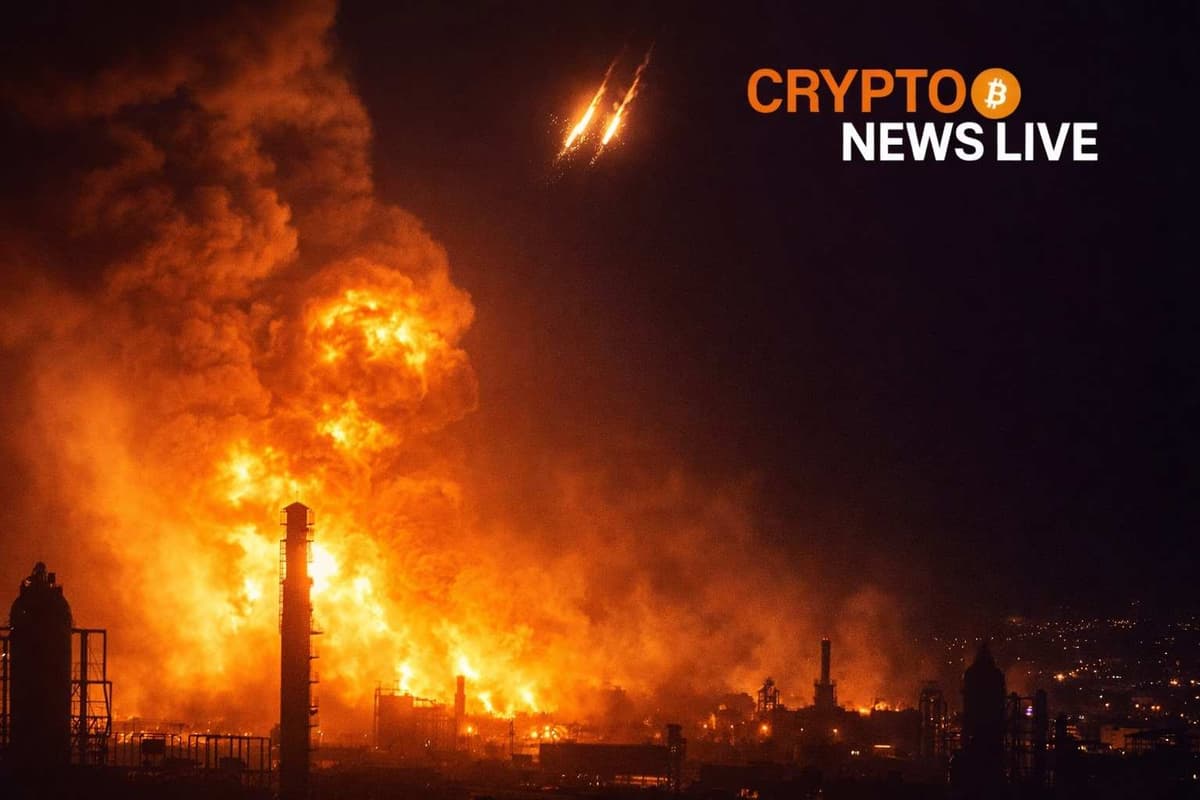
Iran energy infrastructure took direct hits Monday night. A gas administration building and a pressure reduction station in Isfahan were struck, along with a natural gas pipeline tied to a power plant in Khorramshahr. No casualties were reported at either site.
The strikes landed hours after Trump said the United States would hold off on hitting Iran’s energy network for five days. Both sites were confirmed by Iran’s IRGC-linked Fars News Agency. The gas pressure station in Isfahan had been taken offline before the strike as a precaution, which prevented a larger explosion.
Residential homes near the Kaveh Street station also sustained damage from the Isfahan strike, Fars reported. Still, power supply in Khorramshahr held. Officials in that city said one missile landed outside the pipeline station perimeter, with energy distribution continuing through the night.
Isfahan Plant Runs Iran’s Central Grid
The Isfahan facility generates 2,500 MW, ranking it as Iran’s largest thermal power plant in active output. It feeds electricity to Iran’s central industrial zone. Khorramshahr’s plant sits at 1,100 MW capacity, fifth nationally, and is the primary power supplier for Iran’s south, according to Moneycontrol’s live coverage of Monday’s escalation.
Trump, just days before, threatened to “obliterate” Iran’s power plants should Tehran fail to fully reopen the Strait of Hormuz. He then reversed course Saturday, announcing the five-day pause while citing what he called productive discussions with Iran. Tehran’s response was blunt.
Iran’s parliamentary speaker told Al Jazeera that Trump’s talk of negotiations was “fake news” being used to “manipulate financial and oil markets.” The IRGC called him a “deceitful American president” whose contradictory conduct would not pull their focus from the battlefield.
IRGC Threatens Gulf Infrastructure in Response
The strikes did not go unanswered rhetorically. Iran’s Revolutionary Guard warned its retaliation would go beyond Israeli territory, threatening US military bases across the region and energy and water infrastructure in countries cooperating with the attacks, as Anadolu Agency reported.
Former IRGC commander Mohsen Rezaee, speaking on television, made the threat explicit. Iran’s response would no longer be measured or proportional, he said.
“If you attack the infrastructure of the Islamic Republic of Iran, our response will no longer be an eye for an eye, but rather a head for an eye; we will paralyze you and drown you in the Gulf.”
Iranian Foreign Ministry spokesperson Esmail Baqaei added that contact through third-party intermediaries did not amount to negotiations. Any further targeting of energy sites, he said, would bring a response that was immediate and decisive. Tehran’s conditions for ending the conflict remain unchanged: war damage compensation, full sanctions relief, and binding guarantees against future US military action.
The Haaretz live blog confirmed the US intends to continue broader military operations against Iran while the pause covers only energy infrastructure. Iran separately fired missiles at Israel overnight. Four people sustained light wounds in Tel Aviv after a missile with a 100-kilo warhead fell between two buildings.
Key Takeaways:
- US-Israeli strikes hit Isfahan gas station and Khorramshahr pipeline despite Trump’s 5-day pause.
- Tehran rejected Trump’s peace talk claims as fake news designed to move oil markets.
- IRGC threatened to hit US bases and Gulf energy infrastructure if attacks on Iran continue.