Tanzania did not announce a study. It did not launch a pilot. The nTZS programmable Tanzanian shilling went live on Base blockchain, and the country’s 63 million mobile money wallet holders now have direct access to it.
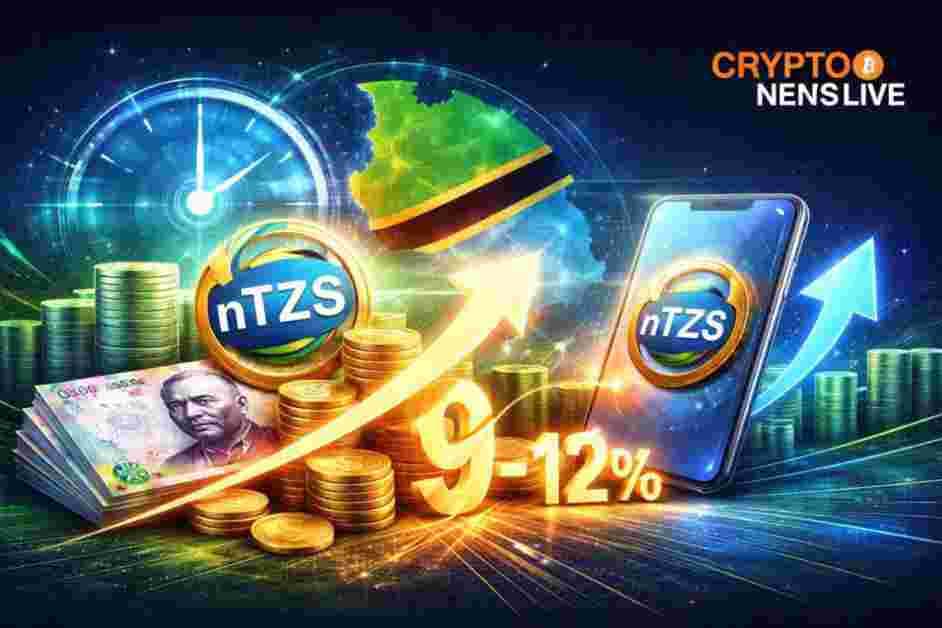
The launch was confirmed by the official nTZS account on X, which stated the digital currency is pegged 1:1 to the Tanzanian Shilling, settles in under 3 seconds, and earns between 9% and 12% annual yield sourced from Bank of Tanzania government Treasury bills. That yield does not come from a protocol. It comes from sovereign instruments. That distinction matters.
Built in Tanzania, Not Imported
The project was developed by NEDA Labs, a Tanzanian builder team whose work is publicly available on GitHub. The full platform, including the developer portal, is accessible via ntzs.co.tz, with a separate developers portal for teams building on top of the currency.
That building-in-Tanzania framing is not branding. The nTZS infrastructure was designed to serve Tanzanian financial infrastructure first, with global access as a secondary outcome. Most African fintech projects reverse that order.
“Built in Tanzania. For Tanzania. And accessible to the world,” as nTZS posted on X.
The initial “live today” announcement was first posted on X by the nTZS account in an earlier post, before the detailed breakdown followed. That sequence, announcement before explanation, is the opposite of how most protocol launches operate. Most explain first, launch later. Sometimes never.
What the Currency Actually Does
The nTZS is not a speculative asset. It does not float. It holds a fixed 1:1 peg to the Tanzanian Shilling and sits on Coinbase’s Base network, an Ethereum layer-2 chain.
Practically, it can execute payroll automatically. It can hold escrow without a bank intermediary. It can send remittances across borders and handle trade finance on programmable terms. Those are not hypothetical use cases. The nTZS X account named all four in the launch statement.
The 9 to 12% yield is tied directly to Bank of Tanzania Treasury bills. Holders earn on the currency without needing a brokerage account or a securities license.
Why Mobile Money Changes the Math
Tanzania has one of East Africa’s largest mobile money networks. 63 million wallet holders already exist in the country, people who move money on phones but have had no access to yield-bearing instruments.
The nTZS changes that entry point. A mobile money user does not need to open a brokerage account or understand fixed income markets to earn sovereign yield. The yield comes attached to the currency itself.
That architecture, sovereign yield embedded in a programmable currency running on a public chain, has not been done at this scale in East Africa before. Kenya’s mobile money infrastructure is larger, but Kenya has not produced a regulated programmable shilling running on a public blockchain with a live yield mechanism.
Regulated, Not Just Launched
The nTZS is described as a “regulated digital currency” in its own documentation. That word carries weight in a market where most digital assets exist in legal grey zones.
Tanzania’s Bank of Tanzania had, as recently as 2019, warned the public against cryptocurrency use, citing the shilling as the country’s only legal tender. The fact that nTZS is pegged 1:1 to that same shilling and earns yield from BoT T-bills suggests the project was structured specifically to operate within that legal boundary. Not around it.
NEDA Labs’ GitHub repository is public. The code is open. That transparency puts nTZS in a different category from projects that announce and obscure.