Dilip Rao, former Global Head of Infrastructure at Ripple, has put a sharp outline on where the XRP strategy is actually heading. Banks connected through fiat-based systems are moving toward something different. The next stage lets them settle transactions directly through XRP, cutting the dependency on legacy pre-funding models.
According to ChartNerdTA on X, Rao described XRP as a key bridge that works within existing infrastructure. Not a replacement. A settlement layer that sits inside what banks already use.
Phase One Was Always the Setup
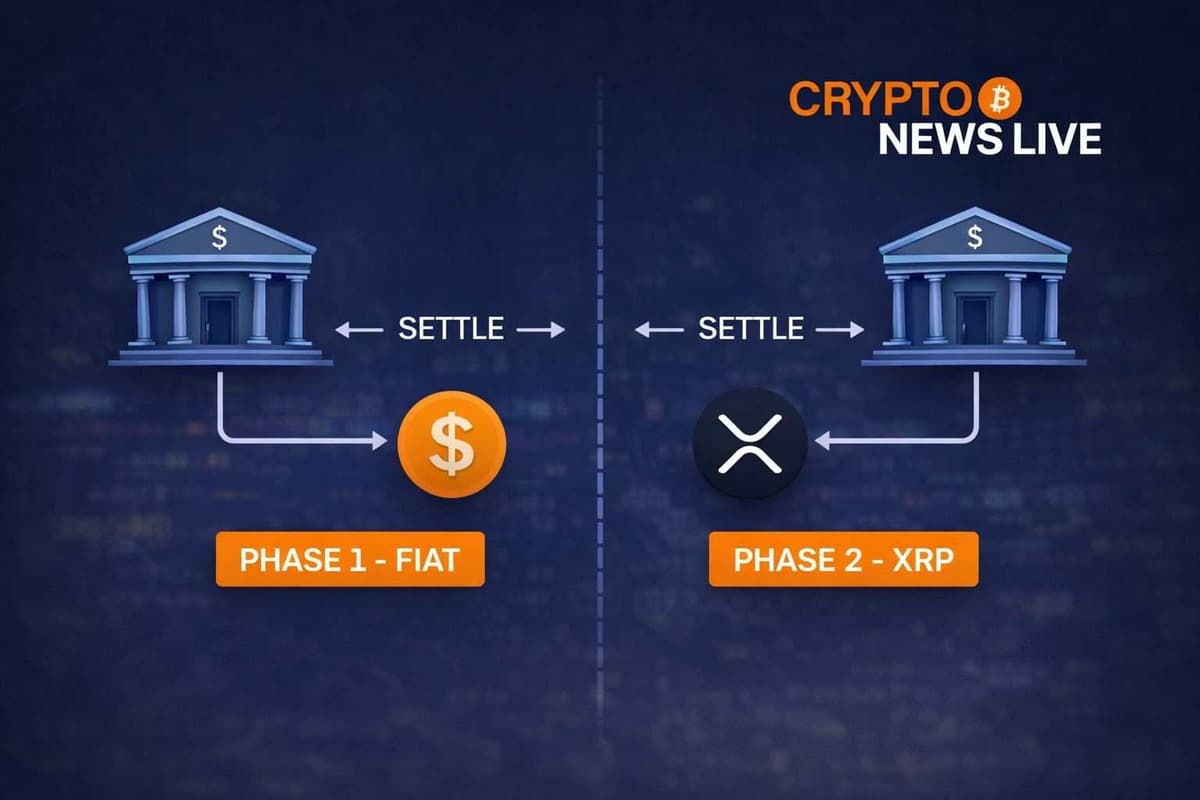
Rao broke the strategy into two distinct stages. Phase one was about volume and onboarding, getting banks and payment providers onto the Ripple network through fiat rails, showing them the speed and cost benefits, and making them comfortable with the technology.
That phase, he said, is well underway.
SMQKEDQG on X shared Rao’s direct words: “Phase one is to get as many banks and payment providers as possible onto the Ripple network using fiat, using the messaging layer, getting them comfortable with the technology.”
The second phase is where XRP settlement enters the picture. Banks route payment volume through XRP when they need instant settlement and do not want to pre-fund accounts across every currency corridor. That is the operational shift Rao is describing.
Nostro Accounts Are the Core Problem XRP Solves
Trillions of dollars sit locked in nostro and vostro accounts around the world. Banks park capital in foreign accounts to guarantee they can settle payments in local currencies. It is expensive. It is slow. And it ties up liquidity that could move elsewhere.
SMQKEDQG on X noted Rao’s explanation: “Instead of tying up capital in nostro/vostro accounts all over the world, you can use on-demand liquidity with XRP.”
That is the real value shift Rao is pointing to. On-demand liquidity through XRP removes the need to pre-position funds across corridors before a payment clears. Banks move capital when they need to, not before.
The End Game, in Rao’s Words
Rao did not frame this as speculation. He called it the end game.
As SMQKEDQG noted on X, Rao stated plainly: “Banks will route payment volume through XRP when they need instant settlement and don’t want to pre-fund accounts in every currency corridor. That’s the end game.”
The sequence matters here. First, institutions get comfortable. Then XRP settlement becomes the default for corridors where speed and cost make it the logical option. It is not forced. It follows the path of least resistance once the infrastructure is in place.
ChartNerdTA on X flagged the statement as significant, pointing to XRP as a bridge layer built on top of what banks already have. The messaging system stays. The fiat rails stay. XRP plugs in at the settlement layer.